


Puppy development involves many puppy growth stages and milestones as they develop into adulthood. Whether you're wondering when your puppy will calm down and stop chewing on everything or you're simply curious about what puppies go through to become grown dogs, this puppy timeline has the answers you're looking for.
1. When Puppies Open Their Eyes and Ears (10-16 days)
Puppies are born with their eyes and ears sealed shut, experiencing the world entirely through touch and smell for the first two weeks. The PDSA says that puppy eyes open at around 10-12 days, followed by their ear canals at 14-16 days, giving tiny puppies a whole new way to experience life.
2. When Puppies Learn to Bark (16+ days)
Once puppies are able to hear, they begin to mimic the sounds they hear from their mother. After their ears open, it doesn't take long for puppies to go from soft grunts to full-fledged whining and barking.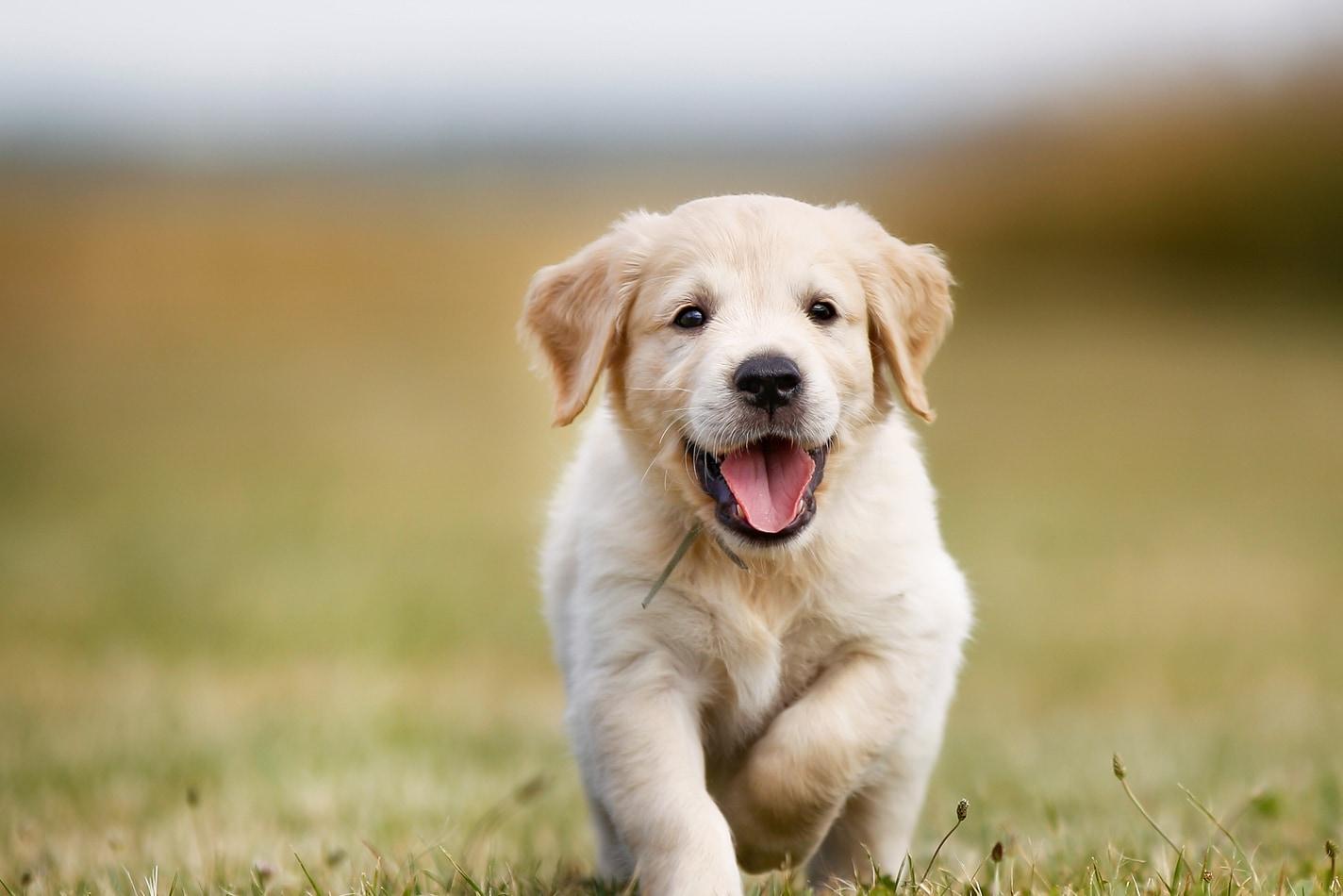
3. When Puppies Learn to Walk (3+ weeks)
Puppies begin to stand around the same time their senses develop. By the third week, they begin taking their first clumsy steps, giving them a new sense of independence.
4. When Puppies Learn to Play (3+ weeks)
Once puppies are mobile, it's not long before they're scampering around and playing with their littermates. Three weeks of age marks the beginning of the crucial socialisation stage, where pups learn from their mum and siblings what it means to be a dog. Socialisation also means learning to live with the other animals and humans in the house, too.
5. When Puppy Teeth Come In (3-8 weeks)
The third week is a big week in the puppy timeline. In addition to the other puppy development milestones mentioned above, those sharp little puppy teeth also start to erupt. By week eight, they typically have their entire set of deciduous teeth (puppy teeth).
6. When Puppies Start Eating Solid Food
While puppies may start trying to sample mum's solid food as soon as their teeth start coming in, it's not until the fourth week that the mother's milk production starts to slow down and pups begin the permanent transition to solid puppy food. This weaning process typically takes about four more weeks, and puppies are usually fully weaned by week eight.
7. When Puppies Learn People are Part of the Family (3+ weeks)
The third week in the puppy timeline is also when puppies begin forming emotional attachments and bonds with the people around them. While it's still too early to separate a pup from their mother and littermates, this is a great time to start getting to know the puppy you intend to adopt. Always interact with the puppies as passively as possible. Sit on the floor, don’t pick them up. Let them come to you and climb on your legs. You can give them a gentle helping hand if need be, but keep the interaction all about what they want. You can increase the physical contact and gentle strokes with each session. Don’t overwhelm them.
8. Socialisation and Habituation (3+ weeks)
Although puppies start learning about the world around them once their eyes and ears are open, weeks three through twelve and beyond make up a crucial window for socialisation. What they learn in this period can determine whether a puppy grows into a well-adjusted dog or one with emotional and behavioural problems.
As we said, socialisation is learning how to live with other animals and humans, while habituation is learning how to live with the things in the puppy’s environment. This includes everything from hoovers to doorbells to traffic noise. The world is a very daunting place for a puppy. How they are introduced to these things is really important. It needs to be done in a positive way when they are relaxed and calm. If not, you may sensitise them instead and make them fearful. Speak to your veterinary team about the best way to go about this.
The earlier in this stage of development that puppies can start meeting new people, interacting with other pets, exploring the world and gaining new and positive experiences, the better. (You'll want to make sure any puppy friends are also vaccinated and have gone through their vet checks so as to not expose your puppy to infectious disease.)
9. When Puppies Need to Be Vaccinated (6-12 weeks)
Puppies typically receive vaccinations between six and twelve weeks of age, depending on where you live and what vaccines are necessary The World Small Animal Veterinary Association (WSAVA) has regularly updated guidelines on which vaccines should be administered. By the time a puppy is ready to be adopted, they should already be vaccinated for distemper, parvovirus, leptospirosis and parainfluenza. A puppy will be ready for their next round of vaccinations around two to four weeks later, with some booster vaccines required at six to twelve months. Your veterinarian can advise you on the best vaccination schedule for your puppy.


Sfaturi delicioase
10. When Puppies Can Start Being House-Trained (4+ weeks)
At three to four weeks, puppies start to develop control over their bladder and bowel movements and learn to leave their sleeping area before relieving themselves. By week seven, a puppy has developed the physical coordination and muscle control necessary to begin house-training.
Accidents are still likely, but as their muscles continue to develop and they gain new neural pathways, they will better understand how and where to properly relieve themselves. Even this young, you can start to praise them when they go in the right place.
11. When Puppies Are Ready to Go to Their New Home (8 weeks)
Once puppies are fully weaned at week eight, they're ready to leave their canine birth family and go to their new homes. This can be a delicate time. While a puppy this age is still within the time frame of readily accepting new family members and new experiences, they're also shifting into a fear stage that can last until about week twelve. Ask your vet about how best to introduce them to your home. Remember to keep things on their terms. Let them hide if they want to and explore when they are ready. Give them space to get to know your house and your family. Make sure they always have somewhere they can go where they know they won’t be disturbed. This should be a real haven.
12. When Puppies Are Ready for Obedience Training (9+ weeks)
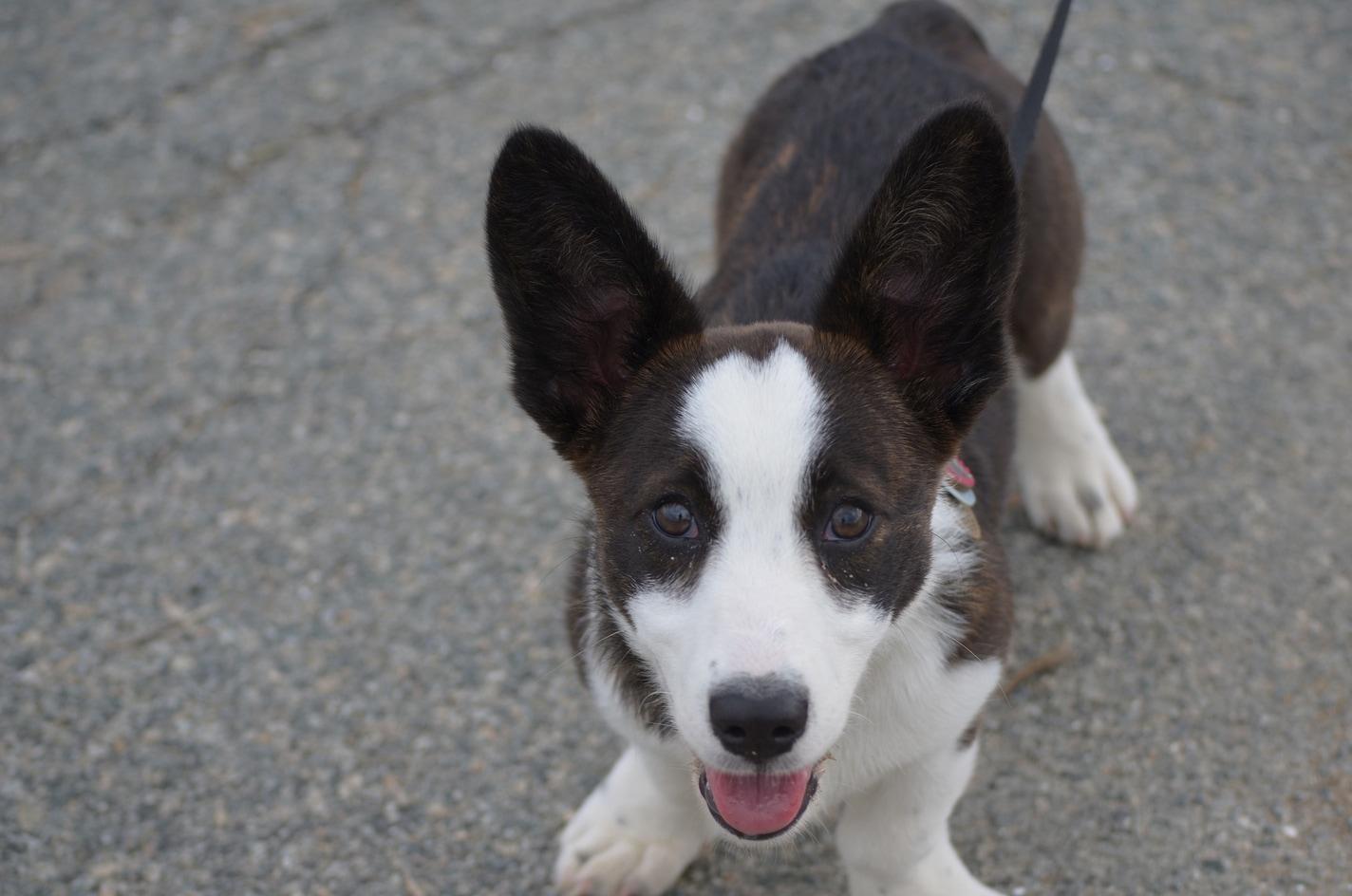
By week nine, after they've had a chance to settle into their new home and form a bond with their new family, a puppy is ready to begin basic obedience training. Some pet owners are reluctant to enrol their puppy in classes before they're fully vaccinated, but it's important not to let your puppy miss out on this crucial socialisation window. The Blue Cross recommends minimising the risk by choosing a training class with a small group size, where interaction between puppies is closely controlled. Make sure to check with your veterinarian to get their opinion first.
13. When Teething and Chewing Begins (3-6 months)
Adult teeth start erupting between three and six months of age, which is when the dreaded chewing begins. It's important to puppy-proof the house at this stage, hiding or placing out of reach anything you don't want to get chewed, as well as anything that might pose a choking hazard or otherwise harm your puppy, such as power cords or toxic plants. Providing chew toys during this time can help prevent your puppy from satisfying their urge to chew on the living room rug or your favourite shoes.
14. When Puppies Are Ready to Be Neutered (4-12 months)
Neutering refers to the removal of the reproductive organs, often referred to as spaying for female animals and castration for male animals. The term neutering applies to both. Puppies can be neutered from around four months depending on a variety of factors. Some breeds and some dogs that are not very confident can benefit from later neutering. This should be discussed with your veterinarian to understand the benefits for your puppy and the best time to schedule the procedure for your individual dog.
15. When Puppies Mature and Settle Down (12-18 months)
Puppies typically develop the emotional maturity and temperament of an adult dog between twelve and eighteen months of age, although they may continue to occasionally exhibit puppy behaviour like chewing and nipping until they're about two years old.
Generally, by the time a puppy reaches eighteen months, they have settled into their grown-up personality and fully acclimated to their place in the family. Now, this doesn't mean they won't still be a bundle of energy! This can continue for a few years depending on the dog, which is why regular exercise and training are important for them to learn appropriate behaviours.
Normal puppy development certainly comes with challenges, and more often than not, those challenges will try the patience of new puppy parents. But watching a pup grow from infancy and blossom into adulthood also comes with a multitude of rewards.
FAQs
- What are socialisation and habituation? Socialisation and habituation are the ways a puppy learns to live in its environment and be happy among the people and animals that live with it.
- When does my puppy need to be vaccinated? Depending on where you live, your puppy will usually have their first course of vaccines between 6 and 12 weeks of age.
- When does my puppy need to be neutered (spayed or castrated)? This will vary depending on the sex, breed and temperament of your puppy. Usually, it is between 4 and 12 months of age. Ask your vet the best time for your individual dog.
- When can I take my puppy home? Puppies should stay with their mothers until at least eight weeks of age. After this time, you and the breeder or adoption centre can decide when is the best time to take your puppy home.
- When will my puppy’s teeth appear? Baby teeth (also known as milk or deciduous teeth) start to erupt at around 3 weeks.

Produse similare
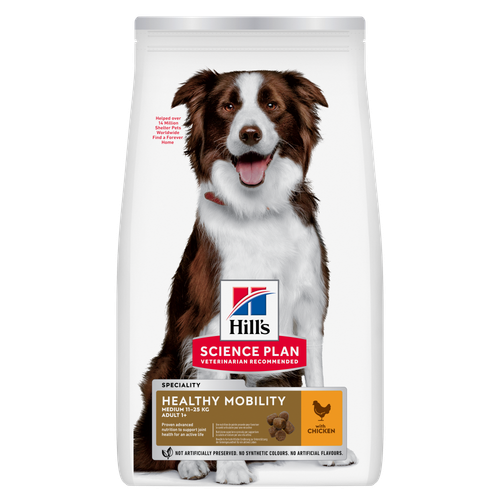
Hrană pentru câini adulți Healthy Mobility Medium
Hrana pentru câini Hill's Science Plan Healthy Mobility Medium Breed Adult cu pui oferă o nutriție avansată pentru a susține sănătatea articulațiilor și a îmbunătăți mobilitatea.
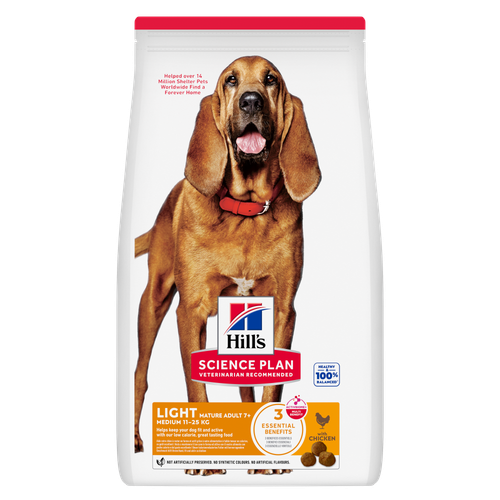
Hrană cu conținut redus de calorii pentru câini adulți maturi de talie medie
Hrana pentru câini maturi adulți de talie medie Hill's Science Plan Light Mature Adult Medium Dog cu pui este o hrană completă pentru animale de companie, special formulată cu tehnologia ActivBiome+ Multi-Benefit.
Contribuie la menținerea câinelui dvs. în formă și activ cu hrana noastră delicioasă și cu conținut caloric redus.
Nutriție precisă pentru câini adulți, mai puțin activi, care au nevoie de hrană cu conținut caloric redus pentru a-și menține o greutate sănătoasă și stilul de viață.
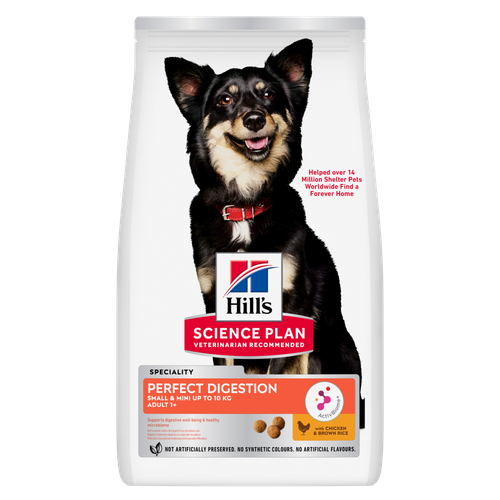
Hrană pentru câini adulți de talie mică și mini, pentru o digestie perfectă
Hrană pentru câini adulți de talie mică și mini Hill's Science Plan Perfect Digestion Small & Mini Breed Adult Dog cu pui și orez brun susține sănătatea digestivă optimă și un microbiom sănătos.
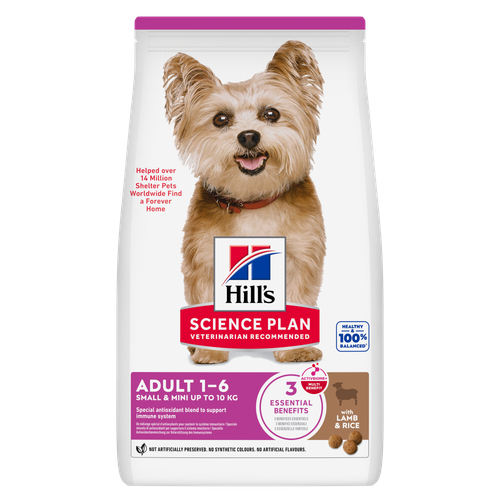
Hrană pentru câini adulţi mici şi mini
Hrana pentru câini adulți de talie mică și mini Hill's Science Plan Small & Mini Breed Adult Dog cu miel și orez este o hrană completă pentru animale de companie, special formulată cu tehnologia ActivBiome+ Multi-Benefit.
Nutriție adaptată nevoilor unice ale câinilor de talie mică în perioada de vârf a vieții lor.Articole similare
Boala renală la câini: Cauze, semne și tratamente
Descoperiți cauzele, semnele și tratamentele bolii renale la câini și aflați care sunt metodele de păstrare a sănătății renale a câinelui dumneavoastră. Aflați mai multe pe Hill's Pet România.
Ce ar trebui să fac cu privire la câinele meu supraponderal?
Obezitatea câinilor este o problemă importantă - aflați mai multe despre cum să vă ajutați câinele să devină mai suplu și mai sănătos cu ajutorul unei nutriții îmbunătățite.
Câinele dvs. are mâncărimi severe? Iată ce ar putea însemna
Vă întrebați de ce câinele dvs. are mereu mâncărimi? Citiți mai departe pentru a descoperi cauzele obișnuite, cum ar fi alergiile sau paraziții, și pentru a afla cum vă puteți ajuta câinele.
Tulburările gastrointestinale și digestive la câini Tipuri și cauze
Învățați să recunoașteți tulburările digestive la câini, inclusiv diareea și vărsăturile, și aflați când este momentul să solicitați ajutorul medicului veterinar și să adaptați dieta.
Pune-ți câinele la dietă fără ca ei să știe
Formula noastră cu conținut scăzut de calorii vă ajută să controlați greutatea câinelui dvs. Este plin cu proteine de înaltă calitate pentru construirea mușchilor slabi și este făcut cu ingrediente utile pentru o masă aromată și hrănitoare. Antioxidanții dovediți clinic, Vitamina C+E, ajută la promovarea unui sistem imunitar sănătos.
Pune-ți câinele la dietă fără ca ei să știe
Formula noastră cu conținut scăzut de calorii vă ajută să controlați greutatea câinelui dvs. Este plin cu proteine de înaltă calitate pentru construirea mușchilor slabi și este făcut cu ingrediente utile pentru o masă aromată și hrănitoare. Antioxidanții dovediți clinic, Vitamina C+E, ajută la promovarea unui sistem imunitar sănătos.